
What Does a Teal Pumpkin Mean?
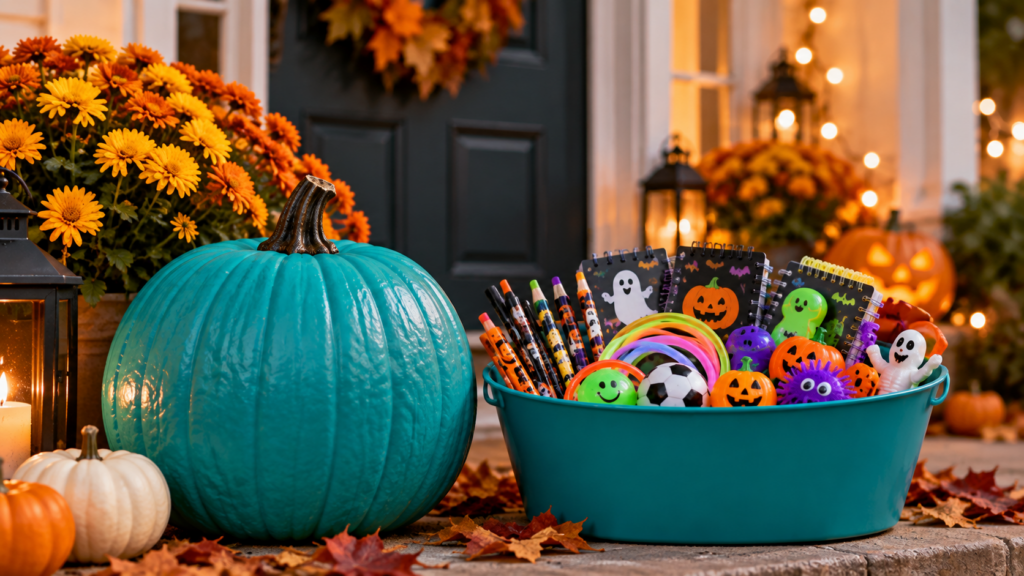
A teal pumpkin on a doorstep means that non-food treats are available for trick-or-treaters. It’s part of the Teal Pumpkin Project®, a nationwide effort to make Halloween safer and more inclusive for children with food allergies and others for whom candy may not be an option.
With October fast approaching, Pillar Patient Advocates wants to remind families, friends and neighbors about this simple Halloween tradition—and how one teal pumpkin can help more children join in the fun.
Why Food Allergy Awareness Matters on Halloween
More than 33 million people in the United States live with food allergies, according to Food Allergy Research & Education (FARE). Approximately 1 in 13 U.S. children has a food allergy—nearly 6 million children. (FoodAllergy.org)
For these children and their families, Halloween can require much more planning than choosing a costume.
Popular Halloween candy can contain common allergens such as peanuts, tree nuts, milk, egg, wheat, soy and sesame. Even familiar candies deserve a second look because ingredients can change, and miniature or “fun size” versions may have different ingredients than their full-size counterparts. (FoodAllergy.org)
Food allergies are not simply a dietary preference. Allergic reactions can be serious and potentially life-threatening.
But that doesn’t mean children with food allergies have to miss out on Halloween.
Cue the teal pumpkin. 🎃
What Does a Teal Pumpkin Mean on Halloween?
A teal pumpkin means a home or event offers non-food treats for trick-or-treaters.
The Teal Pumpkin Project began with an East Tennessee family looking for a better Halloween experience for children with food allergies. Becky Basalone, whose son has a severe food allergy, offered non-food treats and placed a teal-painted pumpkin outside her home as a visible signal that those alternatives were available.
The idea spread through the Food Allergy Community of East Tennessee and social media. In 2014, FARE adopted the initiative nationally, helping turn the Teal Pumpkin Project into a movement that now reaches communities throughout the United States and beyond. (FoodAllergy.org)
Teal is associated with food allergy awareness, making a teal pumpkin an easy-to-recognize signal for families navigating Halloween with food allergies.
How Can I Participate in the Teal Pumpkin Project?
Joining the Teal Pumpkin Project is easy—and you don’t have to stop handing out traditional Halloween candy.
1. Put a Teal Pumpkin Outside Your Home
Paint or decorate a pumpkin teal, purchase a reusable teal pumpkin, or display one of FARE’s printable Teal Pumpkin Project signs.
Make it a family activity and get creative. Paint it, bedazzle it or turn your teal pumpkin into a Halloween masterpiece.
No time for DIY? Teal pumpkins and Halloween decorations can also be found at many major retailers. Additionally, CVS Pharmacy is an official retail partner of FARE. Check out CVS Pharmacy’s 2026 Teal Pumpkin Project guide
2. Offer Non-Food Halloween Treats
Trinkets can be treats, too!
Instead of—or in addition to—candy, consider offering non-food Halloween goodies such as:
- Glow sticks, bracelets or necklaces
- Halloween pencils, crayons or erasers
- Stickers
- Bubbles
- Spider rings
- Mini notepads
- Playing cards
- Bouncy balls
- Finger puppets or other small novelty toys
FARE recommends these types of inexpensive non-food items as alternatives for trick-or-treaters. (FoodAllergy.org)
Offering non-food treats can benefit more than children with food allergies. Children with other medical conditions or dietary restrictions may also be unable to enjoy traditional candy.
3. Keep Food and Non-Food Treats Separate
If you plan to offer both candy and non-food treats, keep them in separate bowls or containers. This helps reduce the chance of cross-contact and makes it easier for children and parents to identify the non-food options.
4. Tell Your Neighbors You’re Participating
Spread the word!
Share your teal pumpkin on Facebook, Instagram, Nextdoor or your neighborhood group and encourage others to participate.
A single teal pumpkin helps. A whole neighborhood filled with them can make Halloween feel much more welcoming for families managing food allergies.
5. Add Your Home to the 2026 Teal Pumpkin Project Map
FARE’s annual Teal Pumpkin Project Map helps families locate participating homes and events offering non-food treats.
Halloween Safety Tips for Families Managing Food Allergies
A teal pumpkin can make Halloween more inclusive, but families managing food allergies should still follow their individualized allergy and emergency plans.
FARE recommends several precautions when trick-or-treating with food allergies.
Wait before eating treats. Consider a “no eating while trick-or-treating” rule so a parent or caregiver can check ingredient labels first.
Read every label, every time. Don’t assume a familiar candy is safe. Ingredients can change, and miniature versions may differ from standard-size products.
Avoid unlabeled treats. If you cannot confidently identify the ingredients, don’t take the risk.
Bring prescribed emergency medication. If epinephrine has been prescribed, FARE recommends keeping it immediately accessible. Epinephrine is the first-line treatment for anaphylaxis; antihistamines are not a substitute for epinephrine during a severe allergic reaction. Follow your healthcare provider’s individualized emergency plan. (FoodAllergy.org)
Create a Halloween trade-in. Back at home, let children exchange candy they cannot safely eat for approved treats, small toys, glow sticks or another Halloween surprise.
Most importantly, keep the focus on what Halloween is supposed to be about: costumes, neighbors, imagination and fun.
A Small Pumpkin Can Make a Big Difference
Food allergies can turn an ordinary bowl of Halloween candy into something families have to approach carefully.
But inclusion can be simple.
Put out a teal pumpkin. Offer a few non-food treats. Keep them separate from the candy. Tell your neighbors why.
Those small actions can help create a Halloween where more children can walk up to a neighbor’s door, say “trick or treat” and participate alongside their friends.
At Pillar Patient Advocates, we believe patient advocacy also means building awareness, sharing reliable health information and encouraging communities to better understand the experiences of people living with health conditions.
This Halloween, let’s look out for our neighbors, friends and families and help create communities where every trick-or-treater feels welcome.
One teal pumpkin. One welcoming doorstep. One more way to make Halloween inclusive for everyone.
Frequently Asked Questions About the Teal Pumpkin Project
What does a teal pumpkin mean?
A teal pumpkin displayed outside a home or event signals that non-food treats are available for trick-or-treaters, helping make Halloween more inclusive for children with food allergies and others who cannot have candy.
What is the Teal Pumpkin Project?
The Teal Pumpkin Project is a food allergy awareness initiative promoted nationally by FARE. It encourages households and community events to provide non-food Halloween treats and display a teal pumpkin or sign so families know those options are available.
Do I have to stop handing out candy if I have a teal pumpkin?
No. You can offer both traditional candy and non-food treats making sure to keep food and non-food items in separate bowls or containers.
What are good non-food Halloween treats?
Glow sticks, stickers, pencils, bubbles, spider rings, mini notepads, playing cards and small novelty toys are among commonly recommended non-food treat ideas.
How do I find teal pumpkin houses near me in 2026?
FARE maintains an annual online Teal Pumpkin Project Map where participating homes and events can be listed. Check the official map as Halloween approaches for updates.
Is a teal pumpkin only for children with food allergies?
No. Non-food treats can also help include children who cannot eat traditional Halloween candy because of other medical conditions or dietary restrictions. And, of course, any trick-or-treater can enjoy a toy, sticker or glow stick.